Healthy Soil Is the Foundation of Any Successful Yard Project
Soil preparation matters because every plant, lawn, and hardscape feature depends on what is under the surface. If the soil is hard, low in nutrients, or drains poorly, new plants will struggle no matter how well they are planted. During landscape installation, proper soil prep helps roots grow deep, improves drainage, and supports long-term plant health.
Quick Diagnosis: Poor Soil Leads to Poor Results
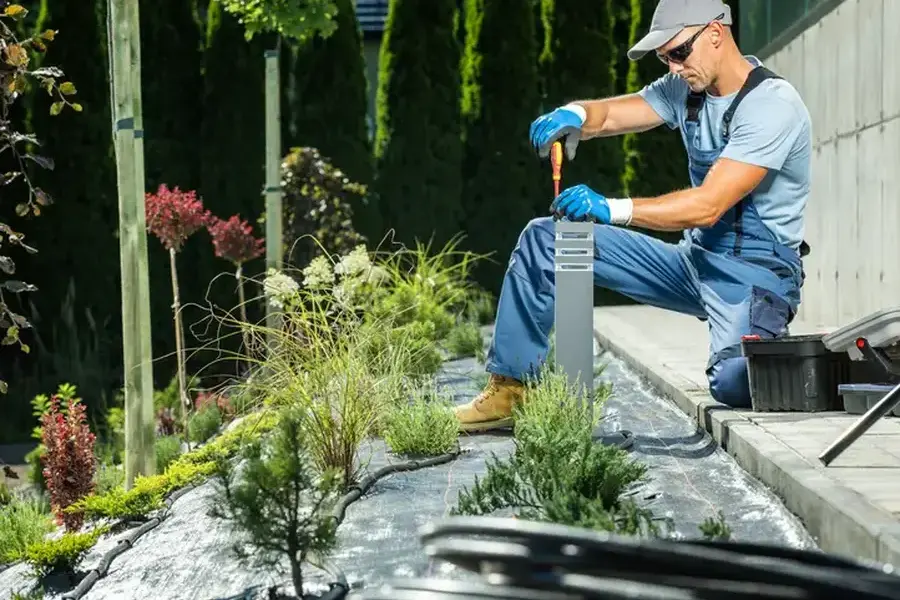
If a yard looks patchy, plants wilt fast, or water pools after rain, the soil is often the problem. Many people blame the plants or the weather. In reality, weak soil structure is usually the root cause. Without proper preparation, landscape installation can fail within the first season.
Common Symptoms of Bad Soil Preparation
When soil is not prepared the right way, you may notice signs like:
- Grass that turns brown quickly
- Plants that stop growing after a few weeks
- Water sitting on the surface after rain
- Mulch washing away easily
- Roots growing close to the top of the soil
These issues can show up soon after a new project is finished. That is why soil work should never be rushed during landscape installation.
Likely Causes of Soil Problems
Several factors can lead to soil trouble. One common cause is compacted ground. Heavy equipment and foot traffic press soil particles together. This makes it hard for water and air to move through the soil.
Another cause is poor soil quality. Some properties have sandy soil that drains too fast. Others have heavy clay that holds too much water. Both extremes can harm roots.
Low organic matter is also a problem. Soil without compost or nutrients cannot support healthy plant growth. Even strong plants may fail in weak soil.
What to Check First Before Planting
Before starting any landscape installation, check these basics:
- Test soil drainage by digging a small hole and filling it with water.
- Look at soil texture. Is it sandy, sticky, or crumbly?
- Check for compaction by pushing a shovel into the ground.
- Review the grade of the yard to see where water flows.
These simple steps can reveal major issues early. Fixing soil before planting saves time and money later.
Safe Fixes Vs Pro-Level Fixes
Some soil fixes are simple. Others require professional tools and skills.
Safe fixes for homeowners:
- Mix compost into the top layer of soil
- Add mulch to help hold moisture
- Loosen small garden beds with a hand tiller
These steps can improve small planting areas.
Pro-level fixes during landscape installation:
- Deep tilling large areas with powered equipment
- Adding topsoil to correct grading problems
- Installing drainage systems for standing water
- Soil amendments based on lab testing
Larger yards or major grading problems often need skilled planning. This is especially true when adding patios, retaining walls, or other landscape features that change drainage patterns.
Prevention Tips for Long-Term Success
Good soil prep is not just about the day of planting. It also supports long-term yard health.
Here are key prevention tips:
- Avoid working soil when it is soaking wet
- Limit heavy equipment traffic on finished areas
- Top dress lawns with compost once a year
- Keep mulch at the right depth, about two to three inches
Healthy soil holds water during dry spells and drains well during storms. It also helps roots grow deeper, which makes plants more stable and less likely to fail.
In areas with heavy rain or long dry periods, soil preparation becomes even more important. A thoughtful approach during landscape installation protects your investment and keeps the yard looking strong through every season.
Work With a Team That Starts Below the Surface
Proper soil preparation is the first step to a yard that lasts. In Lakewood, WA, soil conditions can vary from one neighborhood to the next. At Curiel Landscaping, we take time to prepare the ground the right way before any landscape installation begins. We focus on drainage, grading, and soil health so plants and features perform as they should. If you would like to talk about your project, call us at (253) 214-5102 and our team will be ready to help.