Why Proper Watering Makes or Breaks a New Lawn
An irrigation system plays a central role in successful sod installation because new sod must stay moist from day one. Fresh sod has shallow roots. It cannot reach deep into the soil for water. If it dries out, it can shrink, turn brown, or die. A steady watering setup helps the roots grow down into the soil and bond with the ground below.
What You Need Before Starting
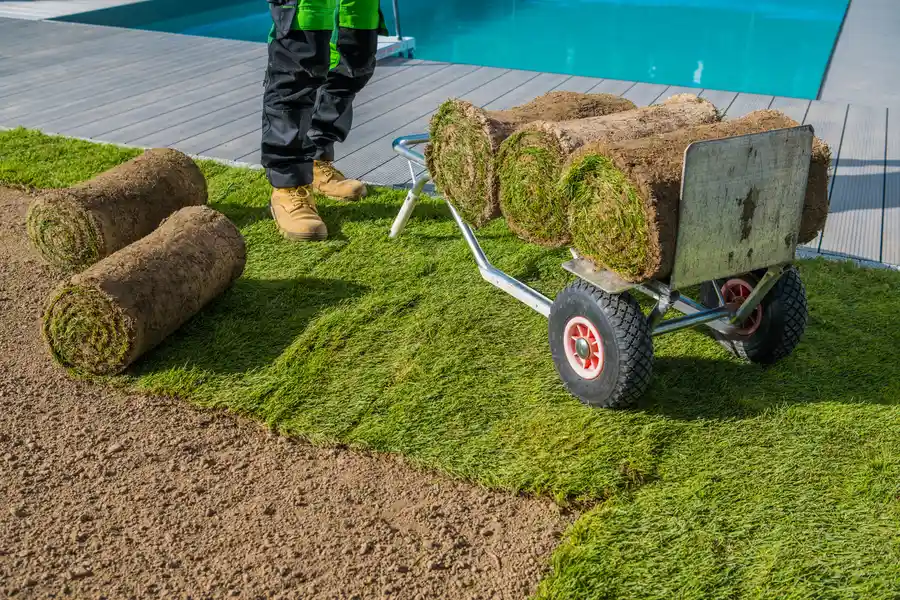
Before sod installation begins, you need more than just grass rolls. You also need a watering plan. This can include an in-ground sprinkler system or above-ground sprinklers connected to hoses. The goal is even coverage across the entire lawn.
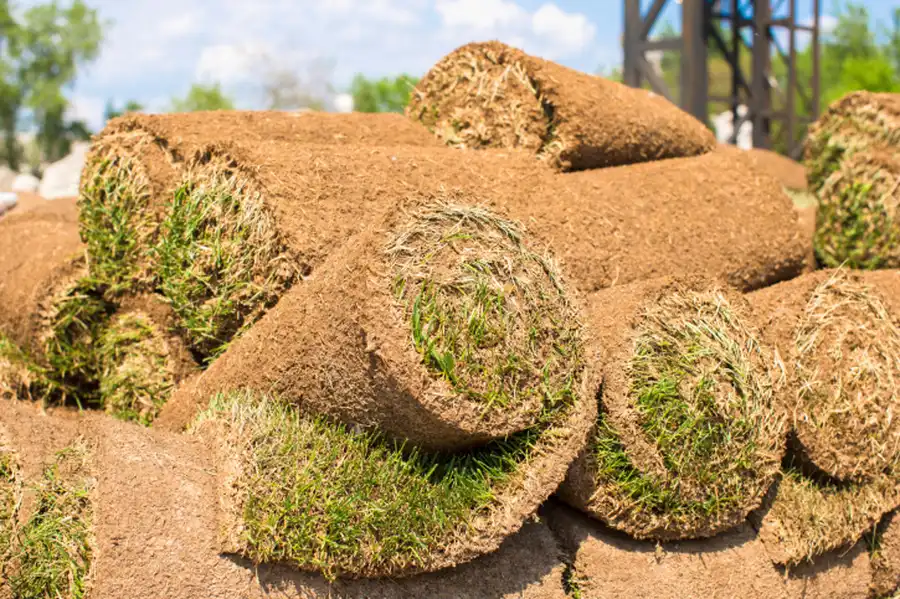
Here is what should be ready before the sod arrives:
- A working irrigation system or sprinkler setup
- Proper water pressure for full coverage
- Timers to control watering cycles
- Graded soil that slopes away from your home
- Loose, prepared soil under the sod
If the irrigation system is not tested ahead of time, dry spots can appear within hours. That is a risk you do not want to take.
Step-by-Step: How Irrigation Supports Sod Installation
Watering is not random. There is a simple process that helps new grass take root.
- Water the soil lightly before laying sod. The ground should be damp but not muddy.
- Install the sod quickly after delivery to prevent drying out.
- Water the sod immediately after installation. Soak it until the soil underneath is moist.
- Water daily for the first two weeks. Split this into two shorter sessions if needed.
- After roots begin to establish, slowly reduce watering frequency while increasing depth.
The goal is to keep the sod consistently moist during the early stage. An automatic irrigation system makes this much easier. It runs on schedule and removes guesswork.
Common Mistakes to Avoid
Many lawn problems start with poor watering habits. Even perfect sod installation can fail without the right irrigation plan.
- Watering too little during the first week
- Soaking the lawn to the point of standing water
- Ignoring corners and edges where sprinklers miss
- Waiting too long to fix broken sprinkler heads
- Turning the system off too soon
Too little water causes gaps and dry patches. Too much water can lead to root rot and fungal growth. Balance matters. Even coverage matters just as much. Dry strips often show where sprinkler spray does not overlap.
When to Call a Professional
Some irrigation systems are simple. Others are complex, with zones, valves, and timers. If you notice uneven growth, pooling water, or dry sections, a professional inspection can help. A faulty valve or clogged head may be the issue.
If you are planning sod installation for a large yard, athletic field, or commercial space, expert planning is wise. Professionals can design irrigation zones based on sun exposure and slope. This helps prevent runoff and wasted water.
You may also need help if:
- Your yard has steep slopes
- Your soil drains very fast or very slow
- Your water pressure is inconsistent
- You are replacing an old lawn with new sod
Proper setup at the start saves time and money later. Healthy root growth depends on steady moisture during the first few weeks.
Final Recommendation
If you are planning a new lawn in Lakewood, WA, we can help you set up the right watering plan for lasting results. At Curiel Landscaping, we handle sod installation and check irrigation systems so your grass gets the moisture it needs from day one. Call us at (253) 214-5102 to schedule service or ask questions about your lawn project. We are ready to help you grow a strong, healthy yard.