Simple Care Steps to Help Your New Grass Take Root and Thrive
The key to maintaining your lawn after sod installation is proper watering, light foot traffic, and careful mowing during the first few weeks. Fresh sod needs steady moisture and time to grow roots into the soil below. If you water correctly and avoid stress, your lawn will establish faster and stay green and healthy.
Why Maintenance Matters After New Sod Is Installed
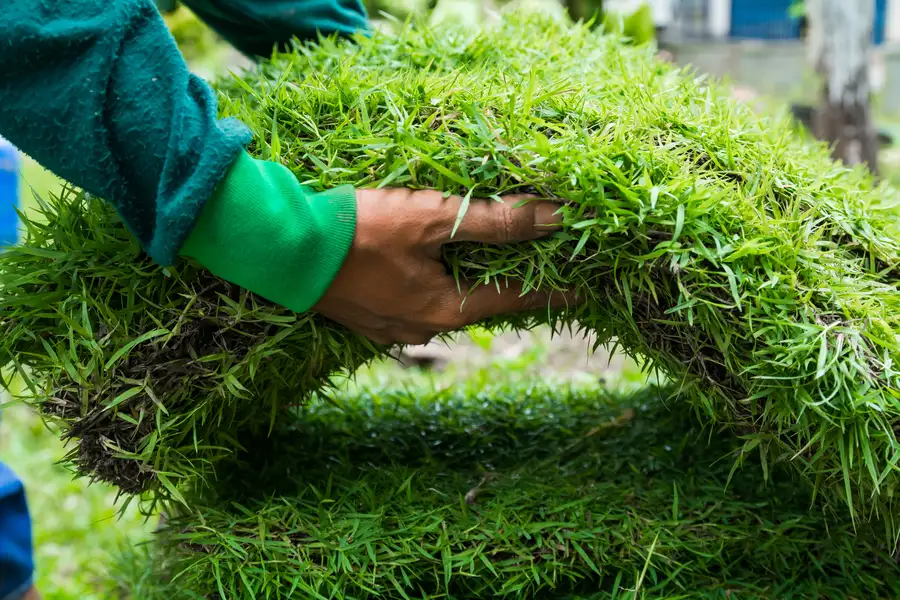
New sod looks finished right away. But under the surface, it is still fragile. The grass roots are shallow when first laid. They must grow down into the soil to survive on their own.
If the sod dries out, roots shrink. If it gets too much water, roots may rot. Good care in the first month makes a big difference. Strong roots mean fewer weeds, fewer bare spots, and better drought tolerance later.
Early Warning Signs Something Is Wrong
It helps to catch problems early. Watch your lawn each day during the first few weeks.
- Edges lifting or seams separating
- Brown or gray dry patches
- Soft, soggy areas that stay wet
- Footprints that remain long after walking
- Yellowing grass
If sod corners curl up, it may not be getting enough water. If it smells bad or feels mushy, it may be getting too much. Quick adjustments prevent long-term damage.
A Simple Watering and Care Checklist
Watering is the most important part of post-install care. Your schedule may vary based on heat and rain, but this guide works for most lawns.
- Week 1: Water daily. Keep the soil moist 3 to 4 inches deep.
- Week 2: Water every other day. Roots should begin attaching.
- Week 3: Reduce watering to 2 to 3 times per week.
- After Week 4: Water deeply but less often to train roots to grow down.
Water in the early morning. This reduces evaporation and disease risk. Avoid watering late at night. Standing moisture invites fungus.
Also, limit foot traffic for the first two to three weeks. Heavy use can shift the sod before it bonds to the soil.
Best Practices for Long-Term Results
Once your sod installation starts rooting, you can focus on long-term habits.
Wait to mow until the grass reaches about 3 inches tall. Make sure the sod feels firm when you tug gently. Use a sharp mower blade. Dull blades tear new grass and cause stress.
Set your mower high. Never remove more than one-third of the blade length in one mowing. Cutting too short weakens young sod.
Fertilizing usually begins about four to six weeks after installation. Use a starter fertilizer if recommended. Too much nitrogen too early can burn new grass.
This is also a good time to think about a simple lawn care plan. Regular mowing, proper watering, and seasonal feeding keep your lawn healthy year after year.
What Not to Do
Some common mistakes can damage fresh sod fast.
- Do not let it dry out during the first 14 days.
- Do not mow too soon.
- Do not overwater to the point of puddling.
- Do not apply weed killers right away.
- Do not park vehicles or place heavy items on new grass.
Many weed control products are too strong for newly installed turf. Wait at least six to eight weeks before using most herbicides.
When to Schedule Professional Help
Sometimes issues appear even with proper care. If large sections turn brown or fail to root, it may be a soil issue. Poor grading, drainage problems, or compacted soil can block root growth.
If water pools after rain, your yard may need adjustments beneath the surface. A lawn service can inspect the soil and drainage to find the cause.
Ongoing services such as lawn care programs, aeration, and seasonal feeding plans also help protect your investment. Healthy roots below the ground create thick growth above it.
Get Expert Guidance for a Healthy Lawn
If your lawn in Lakewood, WA is not settling the way it should, we are ready to help. At Curiel Landscaping, we handle sod installation and follow-up care to support long-term growth. We can inspect your yard, adjust watering plans, and correct soil or drainage concerns before they worsen. Call us at (253) 214-5102 to schedule a visit and keep your new grass looking its best.